
How Art Therapy Can Support Mental Health During Pregnancy and Postpartum
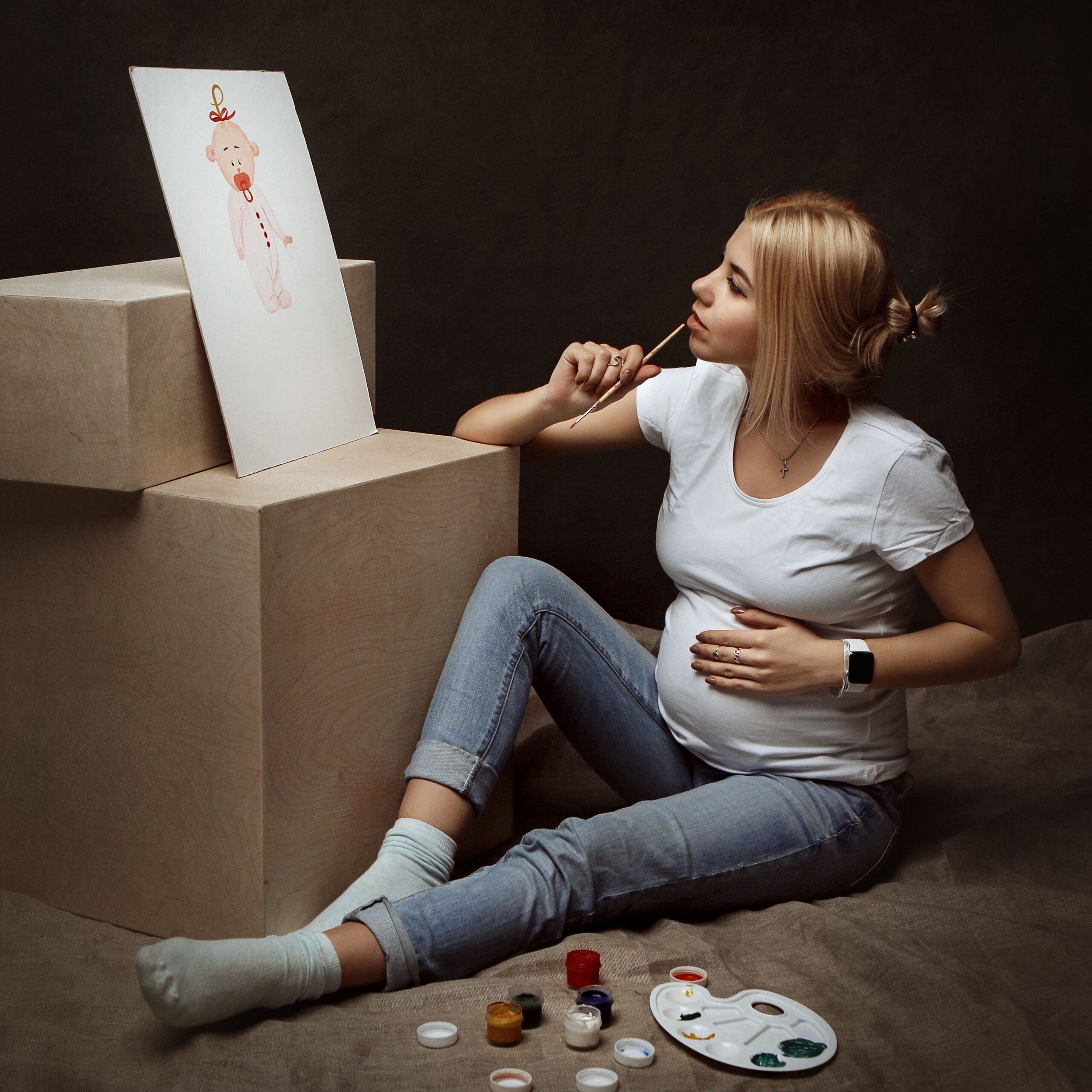
Pregnancy and the postpartum period are among the most profound transformations a woman can experience. Yet beneath the surface of anticipation and joy, many women carry an invisible weight—anxiety, overwhelm, burnout, and a quiet struggle to hold themselves together while caring for everyone else. If this sounds familiar, you are not alone. And there is a gentle, powerful tool that can help: art therapy.
As a marriage and family therapist specializing in perinatal, postpartum, and reproductive mental health, I integrate traditional talk therapy with optional art therapy to support emotional healing, insight, and nervous system regulation. No art experience is needed. Simple art exercises can be thoughtfully adapted for pregnancy, postpartum, and reproductive challenges. Here is how and why it works.
The Emotional Landscape of Pregnancy & Postpartum
The transition to motherhood involves significant hormonal, emotional, and social changes. For many women, adapting to new parental responsibilities while navigating shifts in identity, body image, and family dynamics can trigger increased stress, anxiety, and emotional vulnerability. When these challenges go unmanaged, they can contribute to postpartum anxiety and depression—conditions that affect maternal well-being, mother-infant bonding, and child development.
Despite how common these struggles are, many women delay seeking support, waiting until “things calm down”—a moment that rarely comes. Art therapy offers a non-pharmacological, accessible, and stigma-reducing pathway to care.
How Art Therapy Works During This Time
Art therapy is not about creating a masterpiece. It is about using the creative process to access and express what words alone cannot reach. When emotions feel too heavy or confusing to articulate, art-making provides an alternative language—one that bypasses the cognitive defenses and speaks directly from the body and the subconscious.
Here is what the research shows:
- Reduced anxiety and depression. A meta-analysis of 21 randomized controlled trials involving over 2,800 women found that art-based interventions significantly reduced anxiety and depression symptoms during pregnancy and postpartum.
- Lower stress in high-risk pregnancies. A six-month pilot program with hospitalized antepartum patients found that art therapy participants reported significantly lower stress levels after the intervention—particularly related to separation from home and family.
- Improved emotional regulation and self-awareness. A group-based expressive art therapy program for pregnant women showed significant reductions in both state and trait anxiety, alongside improvements in emotional awareness, self-expression, stress relief, and self-acceptance.
- Support for the postpartum period. Studies on mandala coloring—a simple, structured art activity—have demonstrated effectiveness in reducing postpartum depression and anxiety, with some research showing it significantly outperforms standard care.
Specific Benefits for Perinatal Mental Health
Art therapy supports maternal mental health in several unique ways:
1. Emotional Release and Processing. Clay work, painting, and drawing allow women to externalize complex feelings—anxiety, overwhelm, grief, and identity shifts—that may otherwise remain trapped inside. One quality improvement initiative using clay-based art therapy found that participants experienced emotional release, identity reconstruction, and empowerment through the creative process.
2. Stress Reduction and Grounding. The repetitive, focused nature of activities like mandala coloring can induce a meditative state, reducing cortisol and calming the nervous system. This is particularly valuable for women dealing with sleep deprivation and the constant demands of infant care.
3. Strengthening the Mother-Baby Connection. Art therapy can facilitate the parental bond by helping mothers process their feelings about their baby and their new role. Creative approaches have been shown to strengthen parent-infant connection and create shared positive experiences.
4. Reducing Isolation. Group art therapy settings provide opportunities for social connection and mutual support. Many participants report feeling less alone when they see others navigating similar challenges.
5. Building Self-Efficacy and Confidence. Creating something tangible—whether a painting, a clay piece, or a completed mandala—can restore a sense of agency and competence at a time when many women feel overwhelmed and inadequate.
Simple Art Exercises to Try at Home
You do not need a therapist or a studio to begin. Here are a few simple, low-pressure exercises:
- Mandala coloring. Print a mandala template or use a coloring app. Focus on the repetitive patterns and let your mind settle.
- Emotion color mapping. Choose colors that reflect how you are feeling today and fill a page with them—no shapes, no rules, just color.
- Clay or play-dough sculpting. The tactile, sensory nature of clay can be deeply grounding. Shape something that represents your experience, or simply knead and squeeze to release tension.
- Collage. Cut out images and words from magazines that resonate with your current emotional state or your hopes for the future.
Remember: the goal is not a beautiful product. The goal is the process—the act of creating, releasing, and being present with yourself.
You Don’t Have to Do This Alone
If you are struggling—whether with anxiety, depression, burnout, or just the quiet exhaustion of carrying the invisible mental load—please know that support is available. Art therapy is not about being “artistic.” It is about giving yourself permission to express, to heal, and to reconnect with yourself during one of the most vulnerable and important transitions of your life.
I offer specialized perinatal and postpartum mental health therapy for women throughout California, integrating traditional talk therapy with optional art therapy tailored to your unique needs. You deserve to feel seen, heard, and supported—not just as a mother, but as a whole person.
Reach out today. Your healing matters.
If you or someone you know is a danger to self or others, call 911 immediately. The suicidal prevention hotline is 1-800-273-8255. If you would like 24/7 access to a therapist, visit http://www.crisistextline.org/ To begin, you can simply text the word “HOME” to 741741 or you can call 1-800-854-7771. Domestic Violence Counsel 661-945-6736. If you are in need of immediate social services & live in LA County, please contact 2-1-1 or visit https://www.211la.org/ .Dept of Child and Family Services (DCFS) Anonymous Hotline 1-800-540-4000.